Local Expertise
Residential Furnace Repair
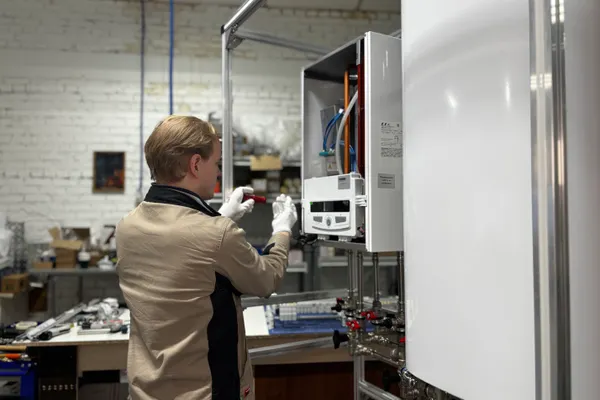
Residential furnace repair addresses common household issues. Technicians inspect system components, ensuring safe and efficient operation throughout your home.
Reliable Furnace Repair Services in Your Area
Every homeowner knows the importance of a functional furnace for maintaining a cozy environment. If you're experiencing issues, timely and effective repairs can restore comfort to your home. Our furnace repair services ensure your system operates efficiently and safely, so you can focus on enjoying your space.
The right furnace repair option depends on the affected area or system, the condition observed and the work required. Review the options below to understand their intended focus without mixing unrelated services.
Residential furnace repair addresses common household issues. Technicians inspect system components, ensuring safe and efficient operation throughout your home.
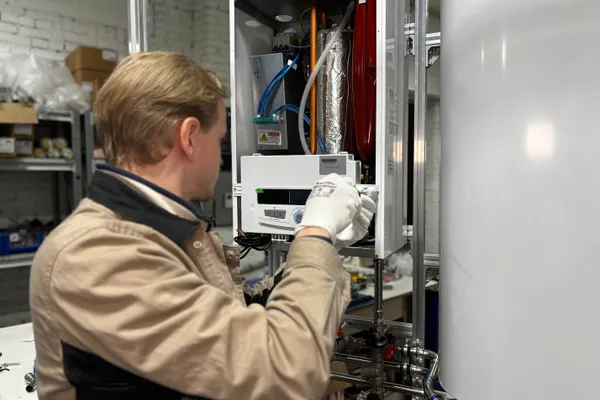
Electric furnace repair focuses on issues specific to electric units. Repairs can involve examining heating elements and ensuring electrical connections are secure.

Furnace blower motor repair ensures proper airflow. A malfunctioning motor can lead to inadequate heating and increased energy bills, requiring expert assessment.

If your furnace doesn’t ignite, an ignitor replacement may be necessary. Inspecting and replacing this part can restore heating functionality effectively.

Flame sensor repair is crucial for gas furnaces. A faulty sensor can prevent your furnace from igniting, requiring prompt attention to safety protocols.

Control board repair addresses issues in electronic systems, ensuring all components communicate properly. This is vital for efficient furnace operation.

Limit switch replacement is necessary if your furnace shuts down prematurely. Ensuring this part functions correctly maintains ideal temperature settings.

Pressure switch repairs ensure your furnace operates within safe limits. A malfunctioning switch can lead to dangerous conditions requiring immediate service.
Inducer motor repair focuses on regulating draft. This component is essential for combustion efficiency and preventing carbon monoxide buildup in the home.

Airflow problem repair targets poor heating performance. Technicians assess ducts and system components to improve efficiency and comfort levels throughout your home.

Thermostat wiring repairs ensure accurate heating control. Faulty wiring can disrupt temperature settings, leading to discomfort and inefficient system operation.
Heating performance repair evaluates the overall furnace efficiency. Addressing issues here helps provide reliable warmth during cold months, enhancing comfort.
Recognizing issues with your furnace early can prevent significant damage and costly repairs. Look for these observable symptoms: unusual noises, inconsistent heating, increased energy bills, and frequent cycling. Understanding these signs, along with property conditions like age and maintenance history, is essential. A condition-based assessment helps identify the right repairs needed.
Loud or unfamiliar sounds from your furnace could suggest mechanical issues. These noises might indicate worn components needing immediate evaluation.
Hot and cold spots in your home can signal problems with airflow or furnace operation. Check for duct obstructions or system inefficiencies.
A sudden spike in energy costs often reflects inefficiencies in your heating system. Assess performance issues to avoid budget strain.
If your furnace turns on and off often, it might struggle to maintain temperature. This could indicate a need for blower motor repair or thermostat checks.
A clear service process starts with the reported concern, continues through a condition review and defined scope, and ends with a review of completed work and practical follow-up guidance.
Begin with a comprehensive evaluation of your furnace, noting visible components and any immediate issues affecting functionality.
Use customer feedback to clarify specific symptoms experienced, gathering detailed information to guide further investigation.
Technicians will conduct tests to determine the underlying problems, ensuring accurate identification of malfunctioning parts or inefficiencies.
This step involves replacing or repairing any identified faulty parts, including any mechanical or electrical components needing attention.
Once repairs are made, testing ensues to verify the furnace operates efficiently and reliably before leaving the premises.
Schedule a follow-up assessment to confirm continued furnace efficiency and address any further concerns identified during the visit.
Provide homeowners with a summary of the repairs performed, recommended maintenance, and guidance on future furnace care.
Quality furnace repair depends on a clear scope, careful preparation, appropriate work practices and communication at each stage. These standards help customers understand what is planned and what follow-up may be appropriate.
Every repair plan is tailored based on the actual condition and performance of your furnace, ensuring appropriate interventions.
We keep homeowners informed throughout the process, clarifying what work is being completed and why it’s necessary for safety.
Follow-up checks confirm that repairs restore system efficiency, ensuring peace of mind for homeowners after service completion.
Match furnace repair to the affected area or system and the symptoms you have observed. Share relevant property details so the request can be reviewed accurately.
The scope can vary with access, materials, condition severity and any inspection or diagnostic findings. Confirm what is included before work begins.
Service availability and final scope depend on the property, access conditions, the observed issue and any inspection or diagnostic findings. Contact the business for current coverage and scheduling details.
Common signs include unusual noises, inconsistent heating, frequent cycling, and rising energy bills, indicating an underlying issue.
If you notice any warning signs, especially if the furnace fails to operate, prompt repair is essential to avoid further damage.
Repair duration varies, but most services can be completed within a few hours, depending on the specific issues found.
Costs depend on the type of repair needed, parts availability, and the specific issue diagnosed during the assessment.
Regular maintenance, such as annual inspections and filter changes, helps prevent issues and prolong the lifespan of your furnace.
In some cases, repairing an older furnace could be cost-effective if it has been well-maintained; however, consider efficiency and reliability when deciding.
In Miramar, your furnace may face various challenges due to environmental conditions and diverse property specifications. Understanding common issues and repair considerations is crucial for homeowners in the area.
Page reviewed by the All State Airduct Pros team · Last updated November 2026